How to Grade Handwritten Exams Faster: A Practical Guide for Teachers
FirstMarker Team · February 17, 2026
How to Grade Handwritten Exams Faster (Without Lowering Standards)
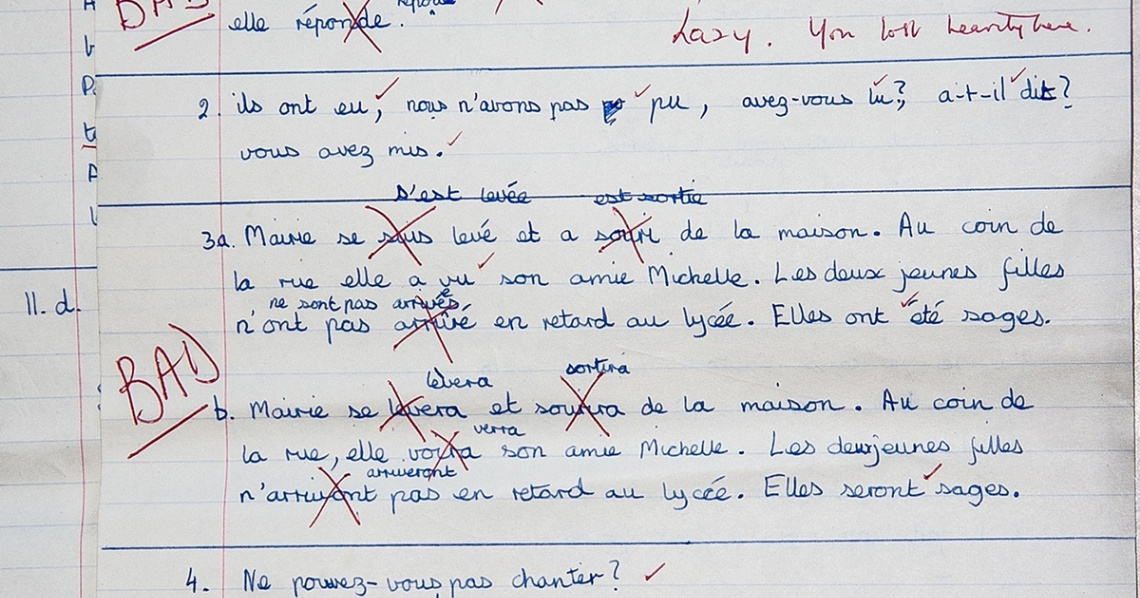
Grading handwritten exams is one of the most time-consuming parts of teaching. Whether you're marking short-answer responses, full essays, or 20+ page test booklets, the process can easily consume evenings and weekends.
If you’re looking for a way to grade handwritten exams faster without compromising quality, this guide walks through practical strategies that actually work.
Why Handwritten Exams Take So Long to Grade
Most teachers face the same bottlenecks:
- Deciphering messy handwriting
- Comparing each answer to a rubric manually
- Repeating the same feedback across scripts
- Adding up totals and transferring marks to spreadsheets
- Double-checking calculations for accuracy
The issue isn’t grading itself — it’s the repetitive administrative steps around it.
Step 1: Standardize Your Answer Key First
Before you start marking:
- Write clear model answers.
- Define acceptable variations in phrasing.
- Create a scoring rubric with fixed point allocations.
This reduces hesitation during marking and increases consistency.
Step 2: Batch Similar Questions Together
Instead of marking one full script at a time:
- Grade Question 1 for all students.
- Then move to Question 2.
- Continue sequentially.
This improves speed because your brain stays in the same evaluation mode.
Step 3: Use Structured Feedback Templates
Teachers often rewrite similar comments repeatedly.
Create reusable feedback phrases such as:
- “Good explanation but lacks supporting detail.”
- “Answer is correct but incomplete.”
- “Calculation method correct; arithmetic error.”
This significantly reduces marking fatigue.
Step 4: Use AI to Assist with Handwritten Exam Grading
Modern AI tools can now:
- Extract text from scanned handwritten exams
- Compare responses against your answer key
- Suggest scores based on predefined rubrics
- Generate structured feedback
- Export results automatically
This does not replace teacher judgment.
It reduces repetitive tasks.
For teachers handling large exam batches, this can save several hours per week.
Can AI Accurately Grade Handwritten Exams?
AI grading accuracy depends on:
- Quality of scanned images
- Clarity of handwriting
- Strength of the answer key
When used properly, AI works best as an assistant — not an autonomous grader.
Teachers remain in control.
When Should You Use AI for Grading?
AI-assisted grading makes the biggest difference when:
- You are marking 20+ scripts at once
- You are grading long exam booklets
- You must enter marks into spreadsheets
- You are working under time pressure (exam season)
For small quizzes, manual grading may still be faster.
How to Maintain Fairness While Grading Faster
Speed should never reduce fairness.
To maintain standards:
- Review AI-suggested marks before finalizing
- Adjust rubric weightings when necessary
- Spot-check random scripts for consistency
- Keep human oversight in final decisions
AI is a tool — not a replacement for professional judgment.
Final Thoughts
Grading handwritten exams will always require careful review. But it doesn’t have to take over your personal time.
By combining structured marking strategies with AI-assisted tools, teachers can:
- Save hours each week
- Reduce repetitive workload
- Maintain grading accuracy
- Return feedback to students faster
If you’re exploring ways to streamline exam marking, consider tools designed specifically for teachers handling handwritten test scripts.
Want to see how AI-assisted grading works in practice? Explore how modern grading software can help you mark full exam booklets in minutes.